
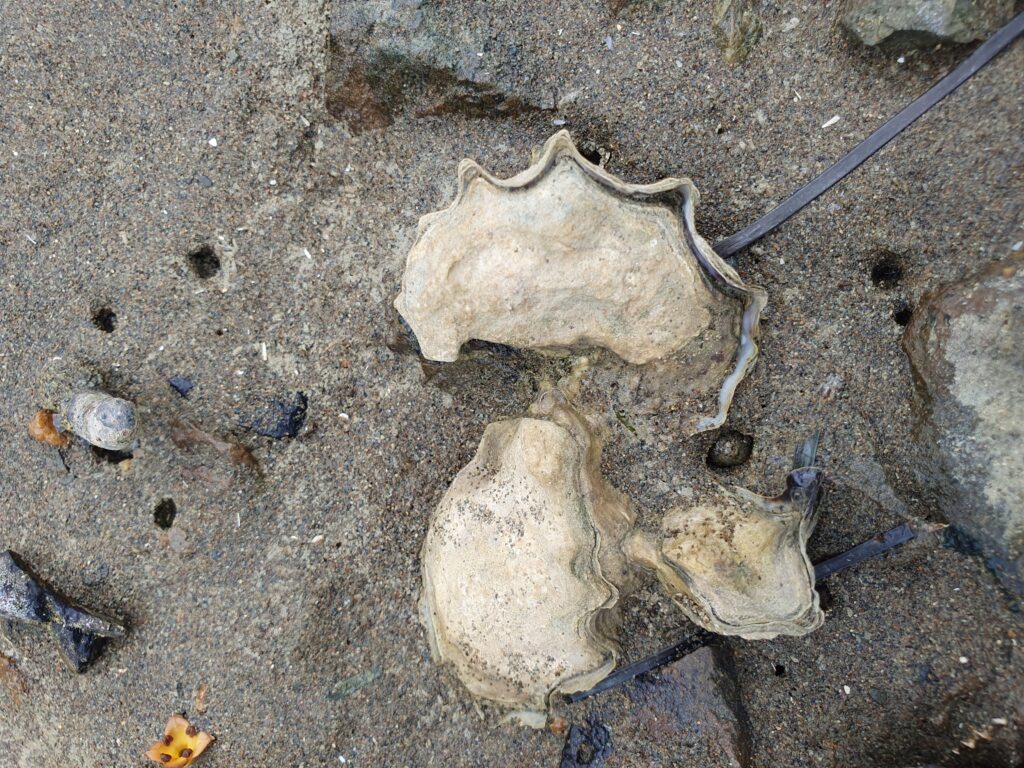
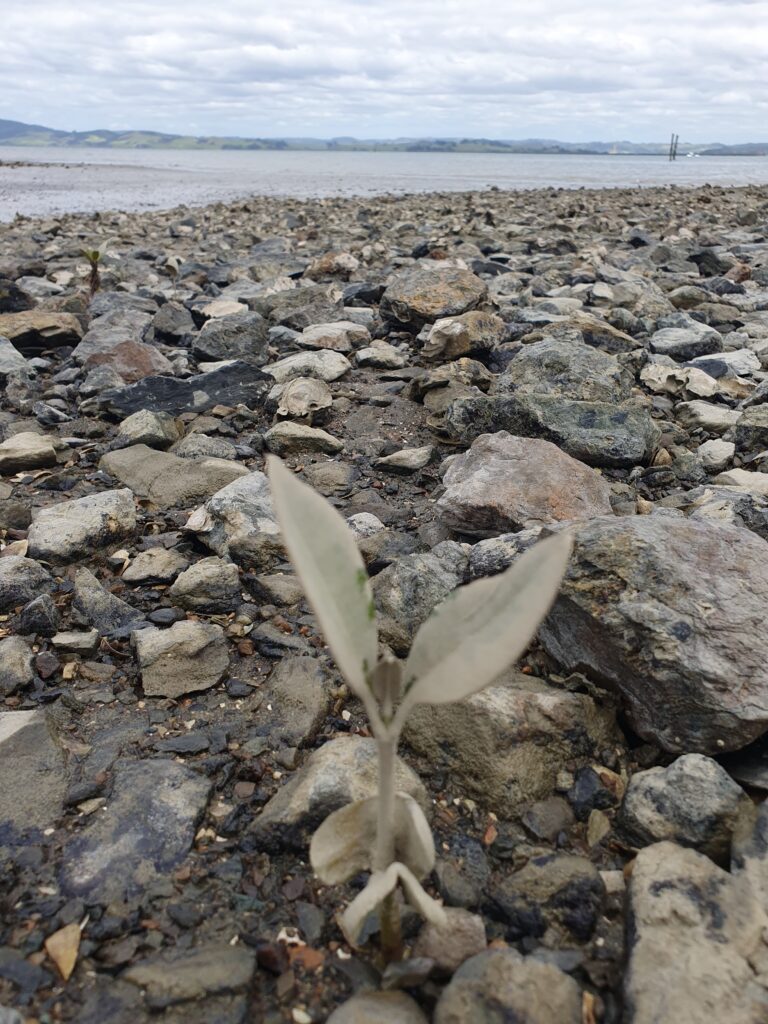
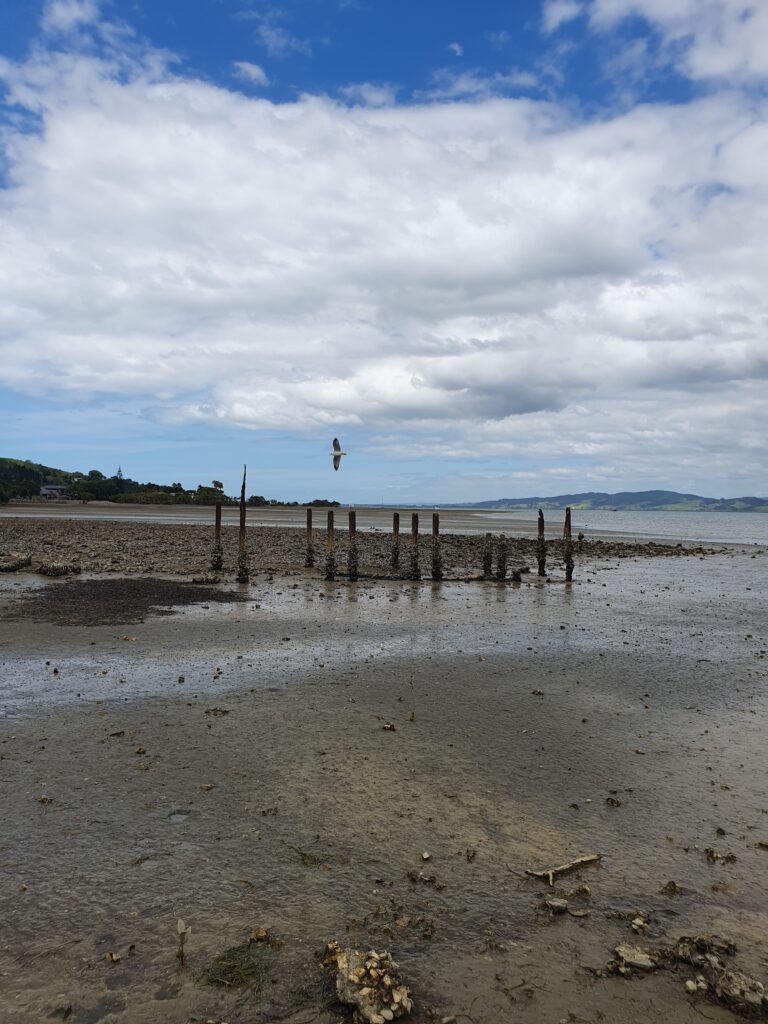
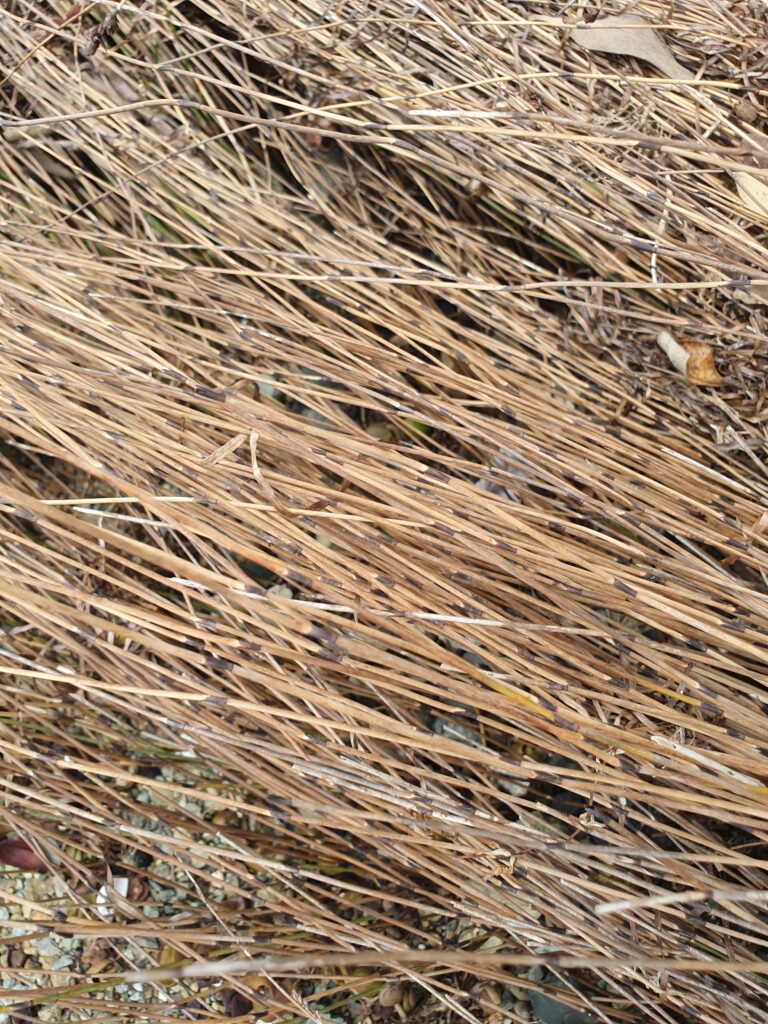
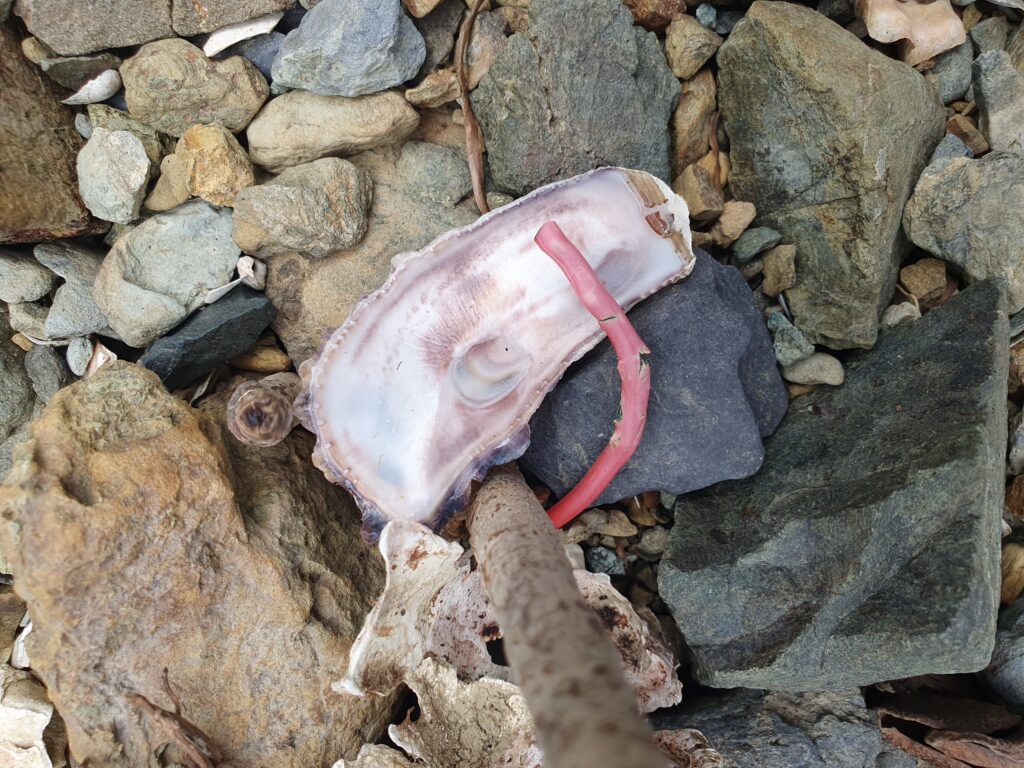
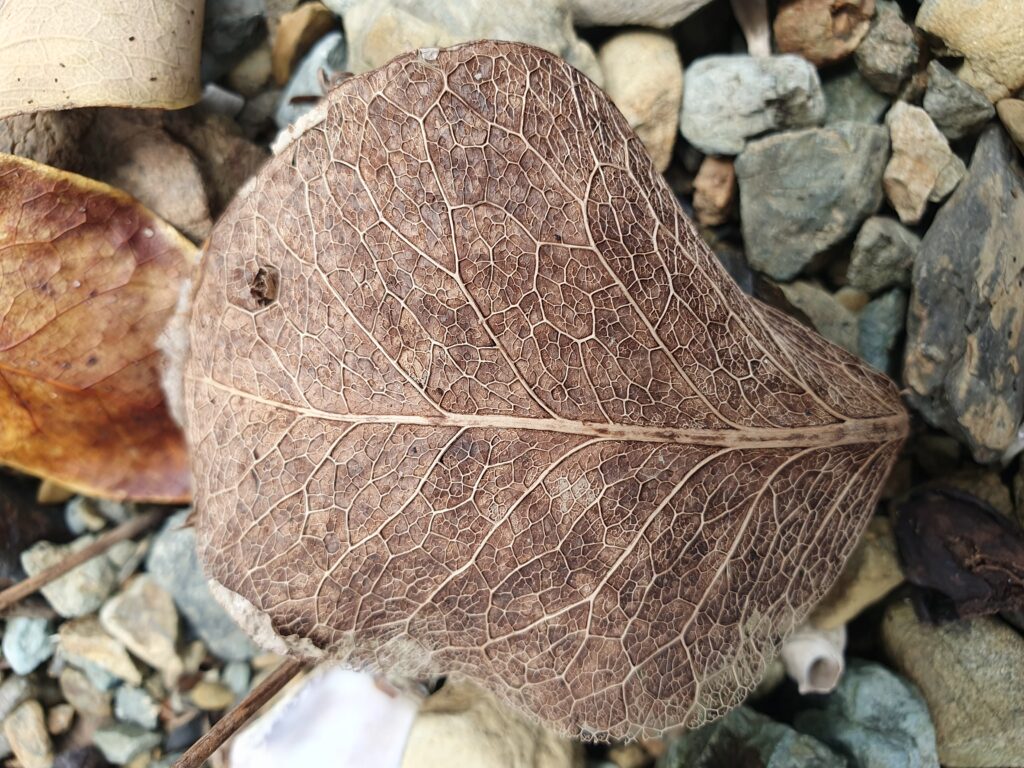
A Liminal Zones (Tasman Threads) documentation post for an excursion to Waikaraka, part of Whangarei Harbour Marine Reserve.
Liminal Zones is a project investigating and sharing practices between Yarun Island and Te Tai Tokerau. The project’s focus is place-based, reflecting the spiritual and creative focus of Kim, Maggie and Tracey, the key artists involved.
Dr Tracey Benson lives within a few metres of a marine reserve on Yarun, while Dr Maggie Buxton and Kim Newall are within walking distance of the Whangarei Harbour Marine Reserve. Both sites are mangrove-based ecosystems with flourishing wildlife and strong sentiments, and sediment flows in and around the contested mangrove plant.
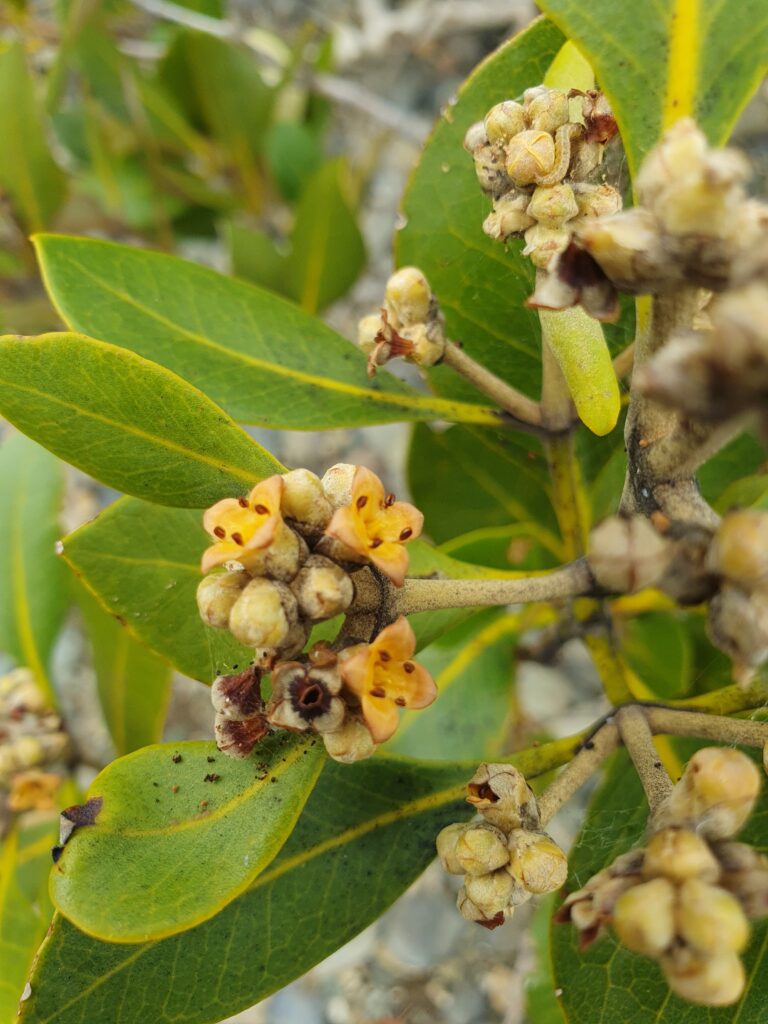
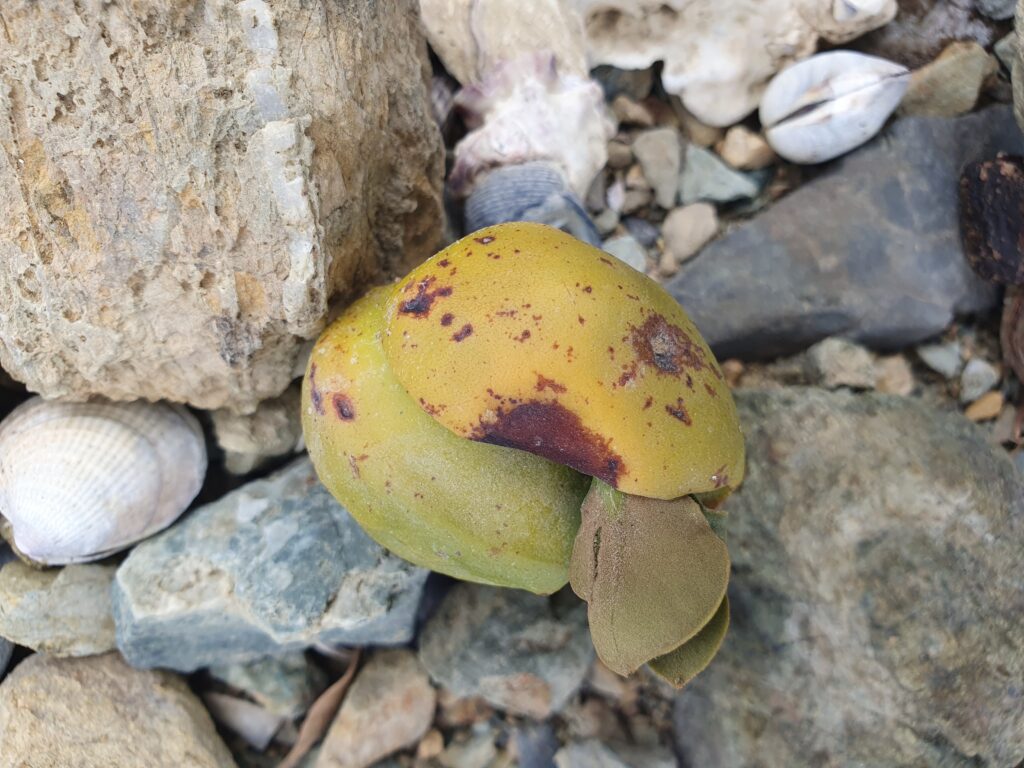
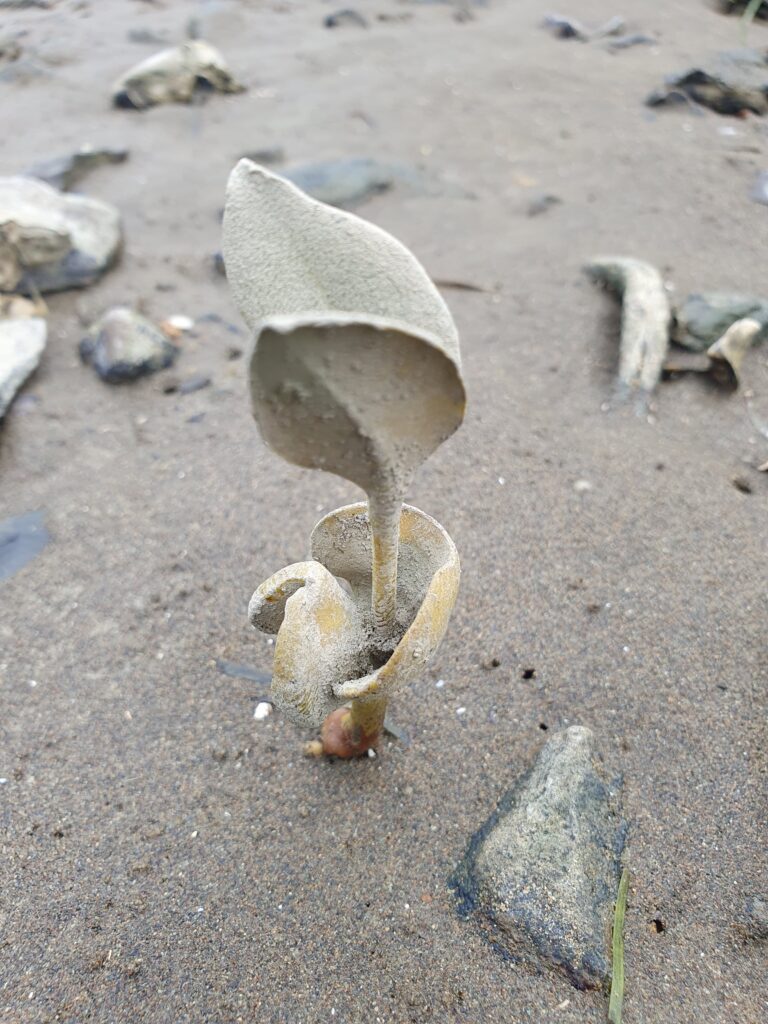
In New Zealand, mangrove species primarily consist of two main types: the common mangrove (Avicennia marina) and the grey mangrove (Avicennia marina var. australasica).
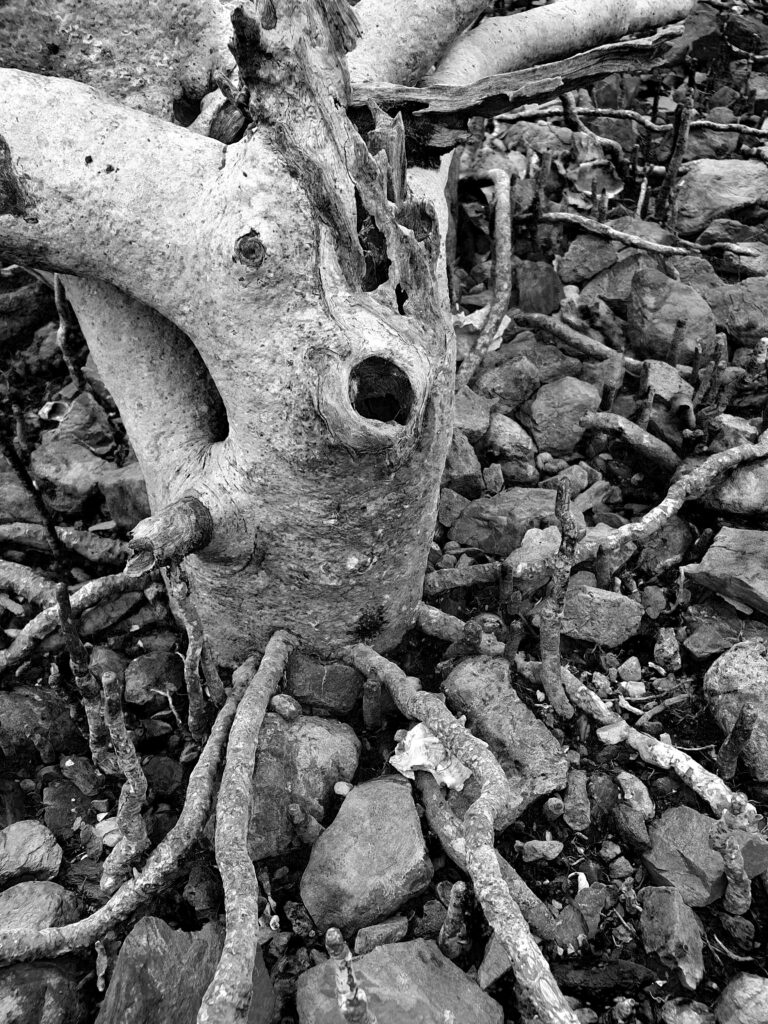
The 227.5 ha marine area at Waikaraka, the part of the reserve close to Kim and Maggie’s house, is almost entirely a mangrove forest with associated intertidal mud flats and a sub-tidal channel edge.
As one of nature’s most highly productive zones, the gently flowing waters and mud surrounding the mangrove roots are home to many organisms: fish and shellfish, crabs, worms and shrimps.
Fish like snapper, trevally, kahawai, kingfish and mackerel spend essential parts of their lives among mangroves, thereby contributing to replenishing fish numbers in the harbour. The mangroves also provide a habitat for a wide variety of birdlife.
Mangroves play a crucial role in coastal ecosystems, stabilising shorelines, trapping sediments, and filtering pollutants from the water. Despite their ecological importance, mangroves face habitat loss and degradation threats, highlighting the need for conservation efforts to protect these vital coastal ecosystems in New Zealand.



More Liminal Zones (Tasman Threads)
More International Projects
bioSignals
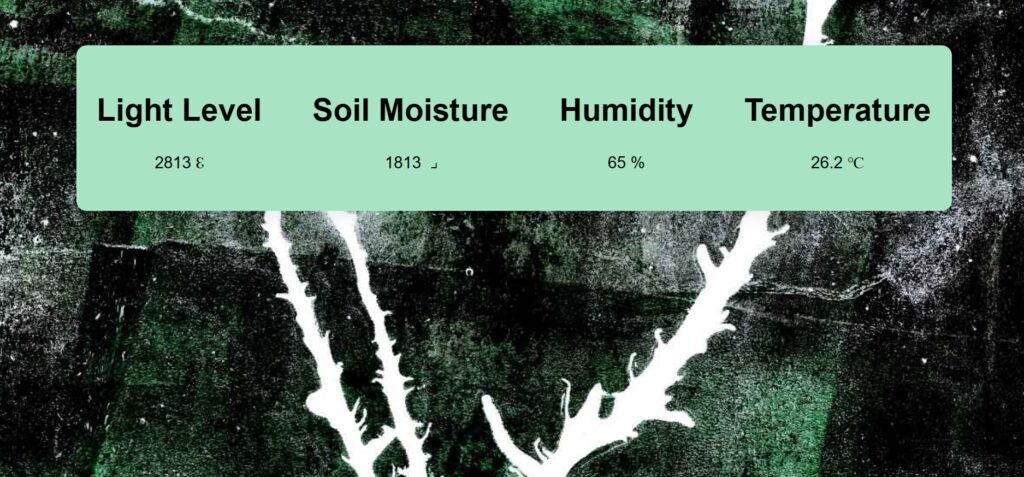
bioSignals bioSignals is an international collaboration between AwhiWorld, the Philippines (led by Dr Diego Maranan of the UP Open University), and the UK (led by Mary Pedicini of SEADS). The overall project leader is Dr Amy Holt. It's an IoT-based creative research project that bridges the three island nations by generating signals with plants. biosignals…
Tasman Threads
Tasman Threads Since 2022, Dr Tracey M Benson of Treecreate and Dr Maggie Buxton and Kim Newall (AwhiWorld) have worked together on a series of Trans-Tasman projects, including residencies and creative collaborations that connect Onerahi in Whangarei, NZ, to Yarun (Bribie) Island in Queensland, Australia. This partnership is based on a shared understanding of transdisciplinary practice…

Alternative Reality Gardening 23
Alternative Reality Gardening You may not realise it, but you are inside a portal to an alternative reality. A place where scientists, technologists, theorists, poets, crafters, dancers, artists and engineers all garden - in quite different ways. About This is a large-scale creative theme within the Awhi Incubator Project. It includes the following…

Three Portals – IGECC Belgium
Metaworlds(s) - IGECC Belgium AwhiWorld have been collaborating with Belgian artist Daniël Vandersmissen / Dan Yapungku on a series of interrelated projects based on the notion of portals. This page documents this ongoing collaboration. Daniël Vandersmissen / Dan Yapungku lives in Belgium-Europe. He creates installations and performances related to social themes and events. As an…
The Awhi Incubator
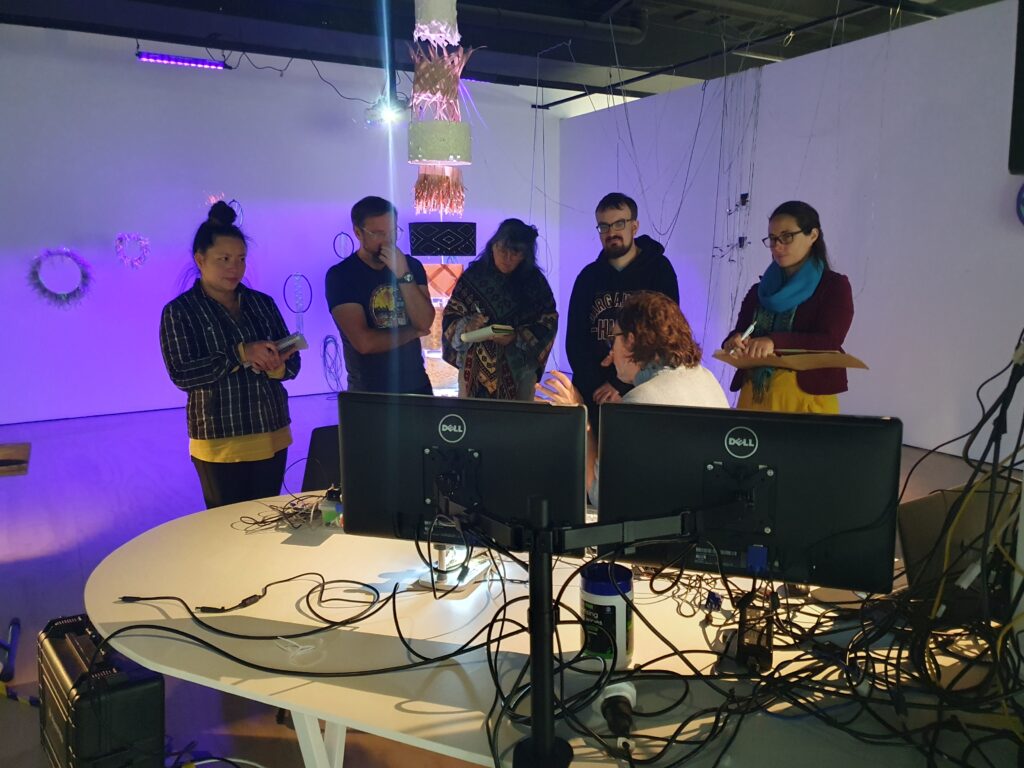
The Awhi Incubator Project From May 23 to May 24 the Awhi Incubator Project provided free coaching, mentoring and training for selected cross-disciplinary practitioners and creative technologists who live in Northland, NZ. The aim has been to raise the profile of the innovative local arts scene and connect to national and international networks. Dr Maggie…