bioSignals
bioSignals is an international collaboration between AwhiWorld, the Philippines (led by Dr Diego Maranan of the UP Open University), and the UK (led by Mary Pedicini of SEADS). The overall project leader is Dr Amy Holt.
It’s an IoT-based creative research project that bridges the three island nations by generating signals with plants.
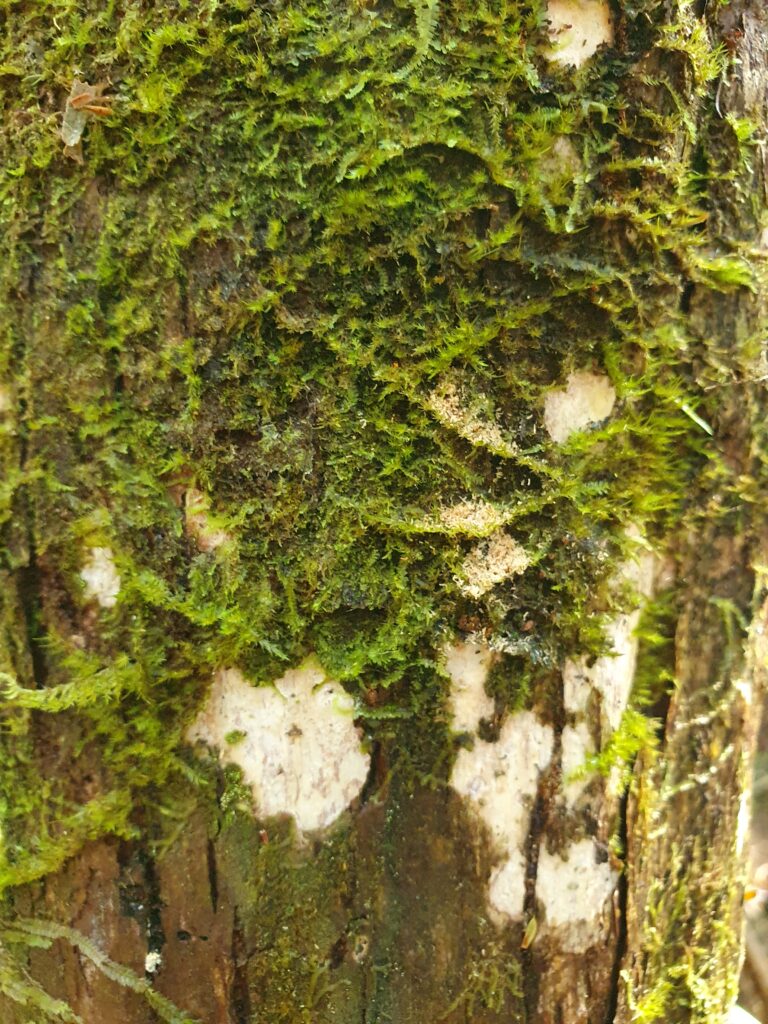
biosignals collects, processes, and transmits signals from local plant life growing at each site, embodying a shared vision of connecting isolated entities, fostering resilience, and addressing climate change and biodiversity loss challenges.
Through this project, the partners are highlighting that our planet is one giant interconnected ecosystem.
British Council (Philippines) fund this project via their #ConnectionsThroughCulture programme.
The AwhiWorld team are international, with Dr Maggie Buxton (NZ), Kim Newall (NZ), and Jarred Taylor (NZ) collaborating with SEADS network members Daniël Vandersmissen (Belgium) and Frederico D.A de Sena Pereira (Brazil).
This project follows the BIOS and Biomodd Collaboration in partnership with SEADS, with several people contributing from that organisation, including the international members of the NZ team.


Project Roots
The project has roots in several prior art-science projects, including Biomodd [ABD14] and BIOS, in which SEADS and Awhiworld first experimented with signal transmission between multiple countries.
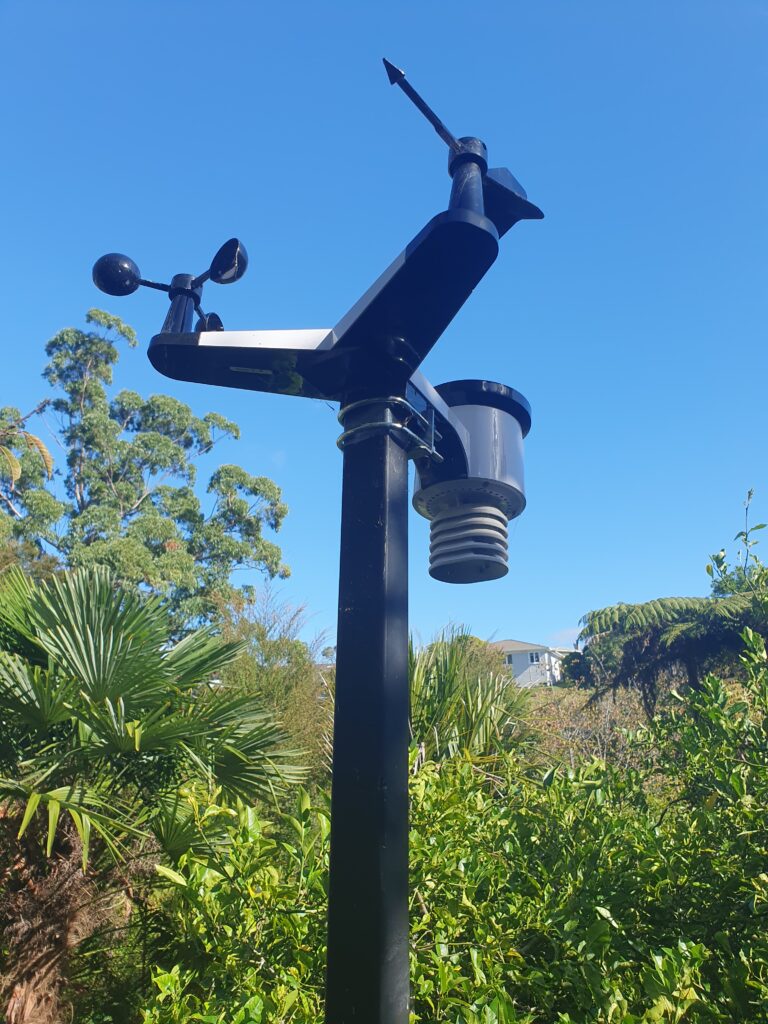
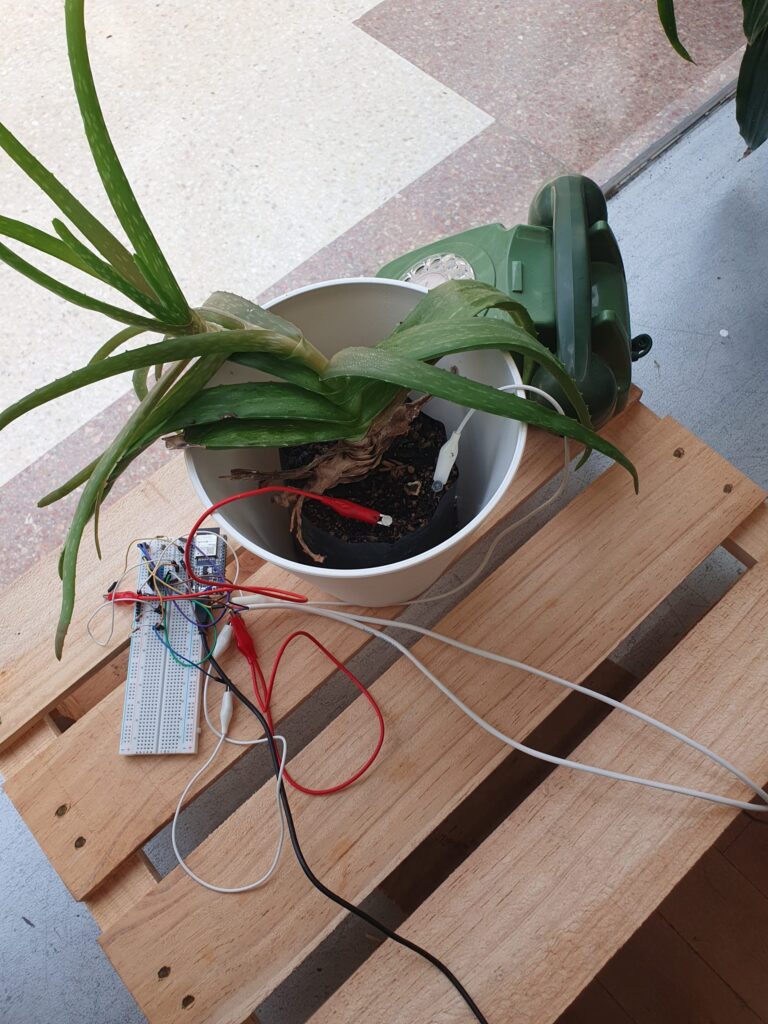
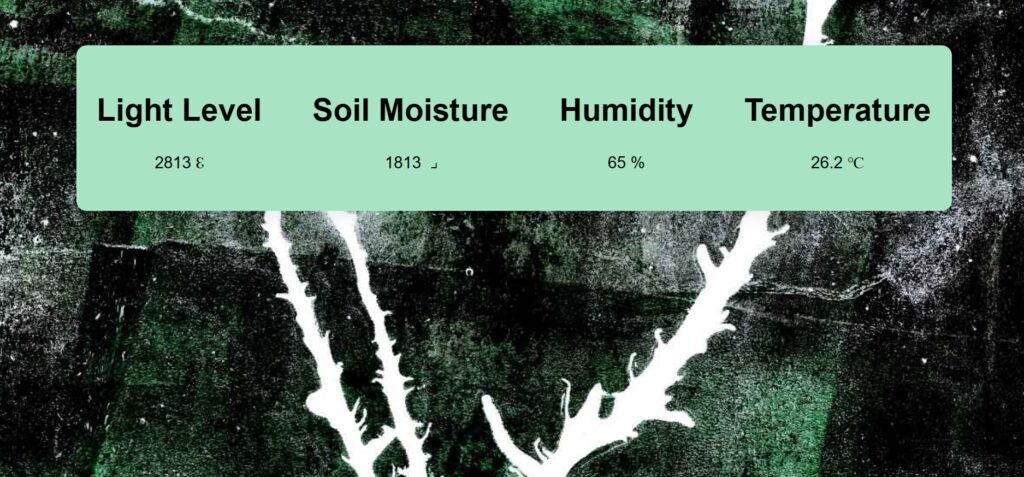
To achieve our goal for biosignals, we’ve developed an Internet of Things (IoT) system to detect signals from living plants in our respective island ecosystems.
We send these signals between the three partner locations, linking them electro-botanically worldwide.
The signals will be transformed into sound and visuals at each site and fed live to a public-facing virtual and physical installation in early October 2024. A prototype of this has already occurred during ARG Lab 24.
Sending Signals to Space
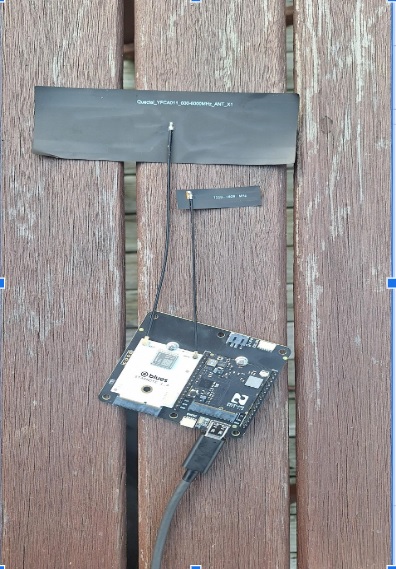
biosignals is the first stage of a larger planned work, in which we intend to use the outcomes of biosignals to cultivate and direct a stream of plant ecosystem signals to a CubeSat satellite orbiting Earth, which broadcasts the data stream further into deep space.
Should this be realised, it would represent the first time that a mesh of non-human biological signals – symbolising Earth’s intricate and unique ecological web – is sent into outer space, potentially reaching out to other worlds.
In doing so, we signal the cross-cultural importance of including the interests of non-human life in all forms of human aspiration. Notably, the satellite can retransmit the signals back to Earth, which can then be picked up from anybody around the world with a radio, thus increasing connections across the globe. biosignals will include a feasibility study for the signal transmission to a CubeSat platform.
The NZ team are excited to have prototyped this process on a smaller scale – you can read about it here




Core Goals
The bioSignals project is fundamentally based on cultural exchange. It allows artists to build knowledge, exchange ideas and develop innovative outcomes while discovering and navigating differences and similarities between their worldviews.
The project ethos is for the three island nations to work semi-autonomously, with each locale researching the plants, concepts and hardware that works for them in their context. Through exchanging ideas via a communication platform and meetings of different constellations, the three locations will share signals that reflect their unique worldviews and interests.
In this way, no one nation colonises another, and each team learns through an emergent approach, inspiring and being inspired by each other. AwhiWorld has a hands-on, practice-led approach to generating projects where we learn by doing. We also, at times, take a more design-then-deploy approach. Engaging with other processes and ways of working and exchanging ideas with different cultures is exciting.
As a group, we hope to use our imaginaries of outer space and our universal reliance on plants to support creative innovation between different nations, all of whom are increasingly impacted by climate change and aspire for new ways to connect, collaborate, and co-create.
Keep checking back to watch the project unfold.
Project Participants
Dr Amy Holt, Mary Pedicini, Dr Ulrike Kuchner, Dr Angelo Vermeulen, Matthew Woodham| Dr Diego Maranan, Jerome Suplemento, Blancaflor Arada, Dr. Shari San Pablo, Gino Javier / Terra Bomba, Pieter Steyaert, Pat Calora | Dr Maggie Buxton, Kim Newall, Frederico D.A de Sena Pereira, Daniël Vandersmissen, Jarred Taylor,

Thank you to the British Council which funded this research via their #ConnectionsThroughCulture programme.